How to Upload to Evistr Voice Recorder
Best digital vox recorders 2022
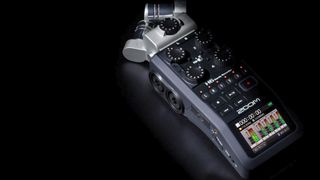
The best digital voice recorders are ideal for capturing audio of all kinds in the highest quality. Sure, yous can use an app on your smartphone but they're always going to exist limited by the quality of the microphones. And that'south not to mention interruptions from the phone and battery life issues.
From recording a lecture at college to capturing a loud gig, the ability to adapt makes the best voice recorders well worth having. Many have longer range microphones and the ability to accommodate selection-up based on the room racket. Lots are built specifically to capture a voice in a certain direction – yup, very hugger-mugger amanuensis like.
Other features worth looking out for include multi-rail recording, adjustable stereo microphone arrays, and multi-input capture. The ability to supercede batteries and swap out retentivity cards are also useful to keep your recording longer without the worry of charging or running out of space.
Prices start at around $25 just go all the way up to around the $400 marking. So it'southward worth thinking virtually what you actually need before picking the best digital phonation recorder for you. It could relieve you lot coin and terminate up getting you a far easier to use setup that does what y'all demand just fine.
For top-cease uses there are super recorders like the Zoom H6, which offers features similar far-field microphones and specialist software which are great. Only for about regular needs this might be overkill.
This best digital voice recorders guide will take something for you and it'due south also worth looking at the all-time vocalization recording software to make sure you lot get the nigh out of your choice.
1. Zoom H6: Best digital vocalism recorders top pick
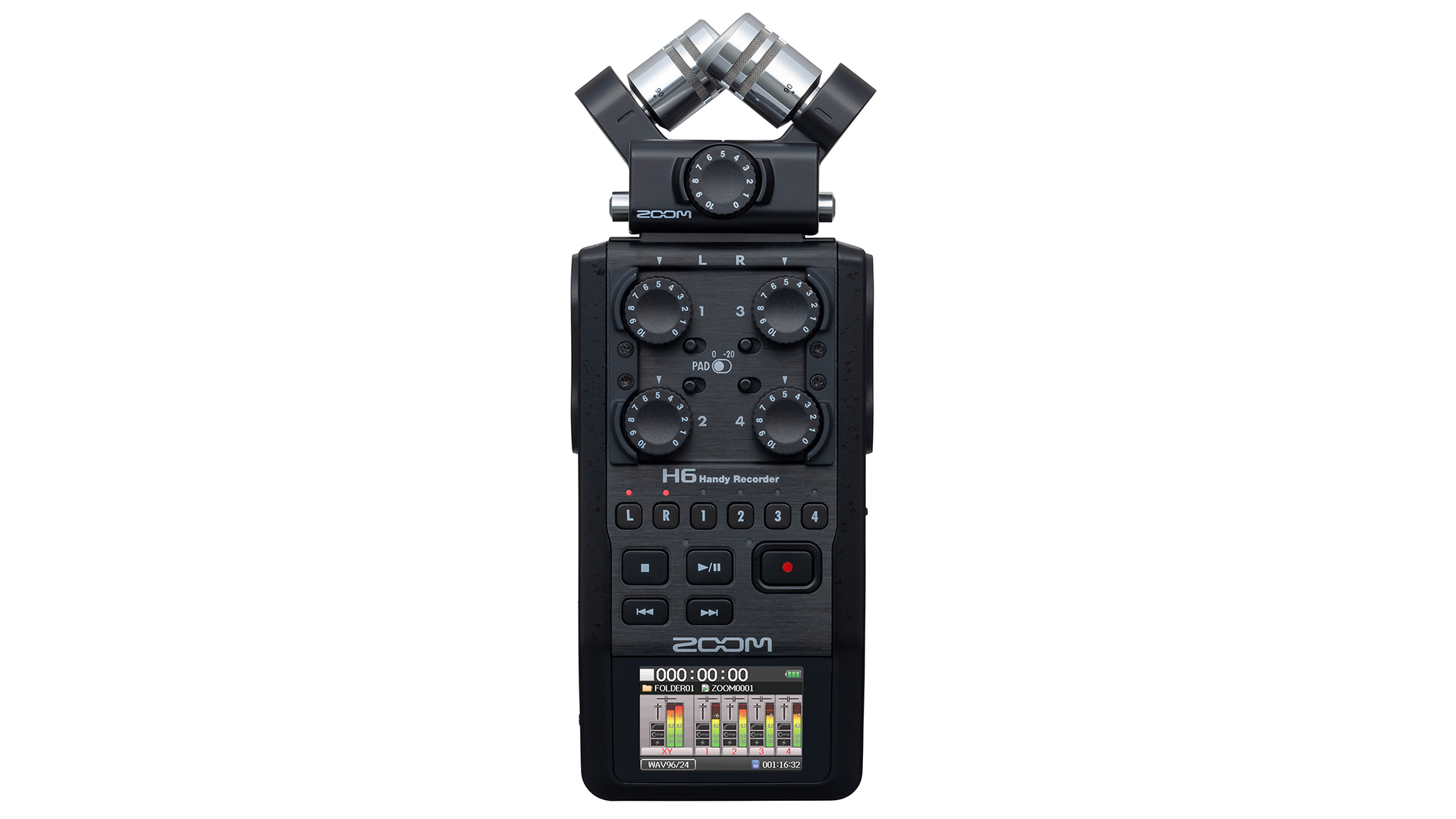
The Zoom H6 is one of the more than expensive voice recorders on this list but that is pricey only relatively – in reality this is well priced when yous consider how many pro-grade features this delivers. This is good plenty for professionals that want the best quality thanks to the high-fidelity microphones and four XLR/TLS inputs on this half-dozen track recorder.
The mic controls are easy enough to use with proceeds variations tracked and EQ settings variable. You get XY and mid-side microphones with the recorder simply in that location are 4 other options to purchase for specific purposes. Everything is recorded to SD carte du jour, up to 128GB, so y'all can get it at the highest quality without worry about space.
This comes with AAA batteries, making information technology piece of cake to keep fully powered with a quick swap if needed and yous go multiple editing software options to pick from. The downside here is that this can exist complicated as it'due south such a comprehensive device. Only for those that want it all, yous don't need to look further than the Zoom H6.
- Read our full Zoom half dozen review .
2. Olympus WS-852: All-time for connectivity and features
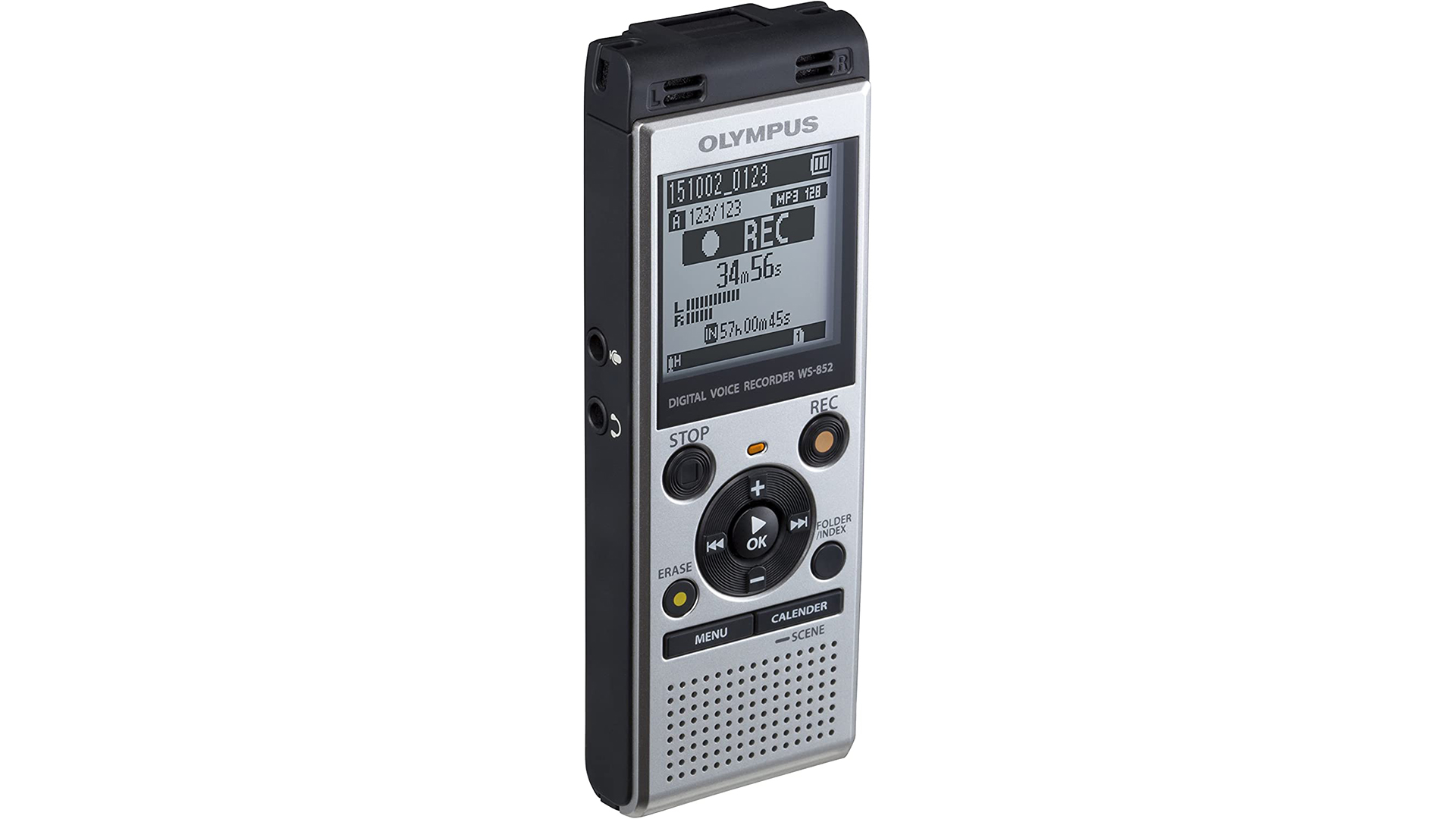
The Olympus WS-852 is a feature rich voice recorder that crams in quality and ease of employ while keeping the cost low. We dearest the pop-upwards USB connector that allows you lot to easily transfer files from the 4GB onboard or 32GB microSD retentiveness.
Audio quality is great thanks to dual microphones and a popular-out stand to keep table vibrations to a minimum. A low cut filter and auto adjustments aid to make certain audio is consistently high quality regardless of your location.
Playback at varying speeds, apply voice activated recording and fifty-fifty vary the menus and brandish for simple or complex user interactions equally needed. The 110 hour battery powered performance is a real bonus at this toll point.
- Read our Olympus WS-852 review .
3. EVISTR Mini Digital Vocalization Recorder: Best for ease of utilise
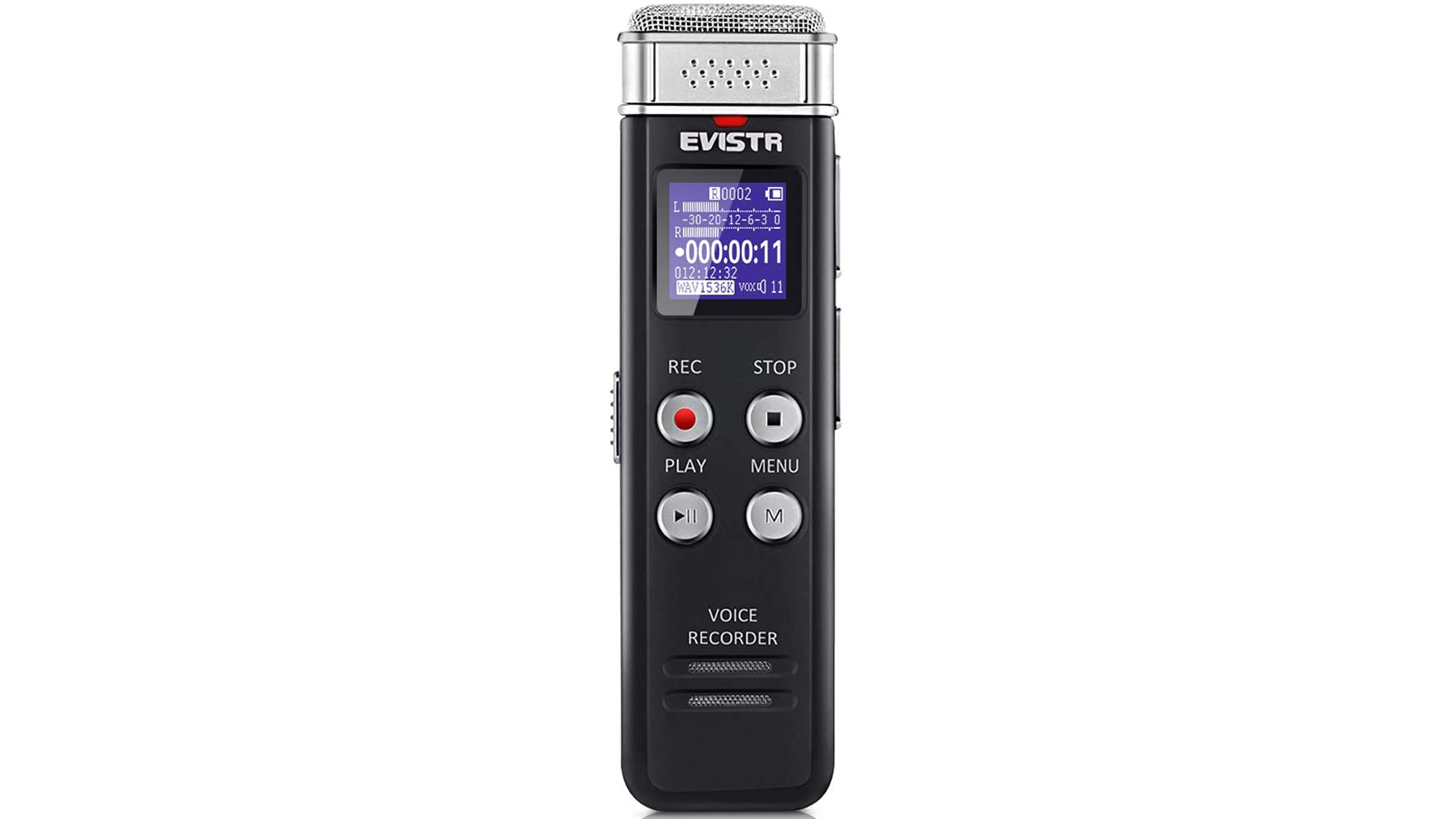
The EVISTR Mini Digital Voice Recorder uses an omnidirectional microphone for wide ring recording making it well suited to varying locations and needs. The fact the menus and buttons are minimal aid to keep this a very easy to use option for anyone that wants to piece of work chop-chop and merely.
The memory is onboard and at 16GB you can go up to 560 hours , aka 23 days, worth of audio stored at the lower quality MP3 selection. Simply await a few recharges as the bombardment tops out at 12 hours earlier needing a charge via USB 2.0 – which is also used to rapidly transfer files to PC or Mac. The fact this is priced low yet offers a quality metallic build is just a bonus.
- Read our EVISTR Mini review .
four. Dictopro X100: Best vocalism recorder for students

The Dictopro X100 is a great option for a budget digital vox recorder. It offers excellent sound quality and tin tape at distances of upwards to 40 feet thanks to its ultra sensitive dual microphone setup. You can listen to your recordings immediately too either via the in-built speakers or through headphones, which can connect via the three.5mm headphone jack.
Some functions similar rewind/fast forward aren't immediately obvious unless you've read the manual, merely in one case you get acquainted with it, the Dictopro is simple to apply. Information technology comes with 8GB storage, which is generous compared to similarly priced competitors. This somewhat makes upwardly for the lack of MicroSD card storage options, though some users may still prefer a device with expandable storage.
It feels like a premium and well-built device, while also beingness small plenty to comfortably fit into your pocket when yous're on the go. And equally a concluding note, user reviews have shown that Dictopro's customer service is top notch and the squad will gladly help if yous accept any bug with the device.
- Read our Dictopro X100 review .
5. Olympus VN-541PC: Best affordable voice recorder
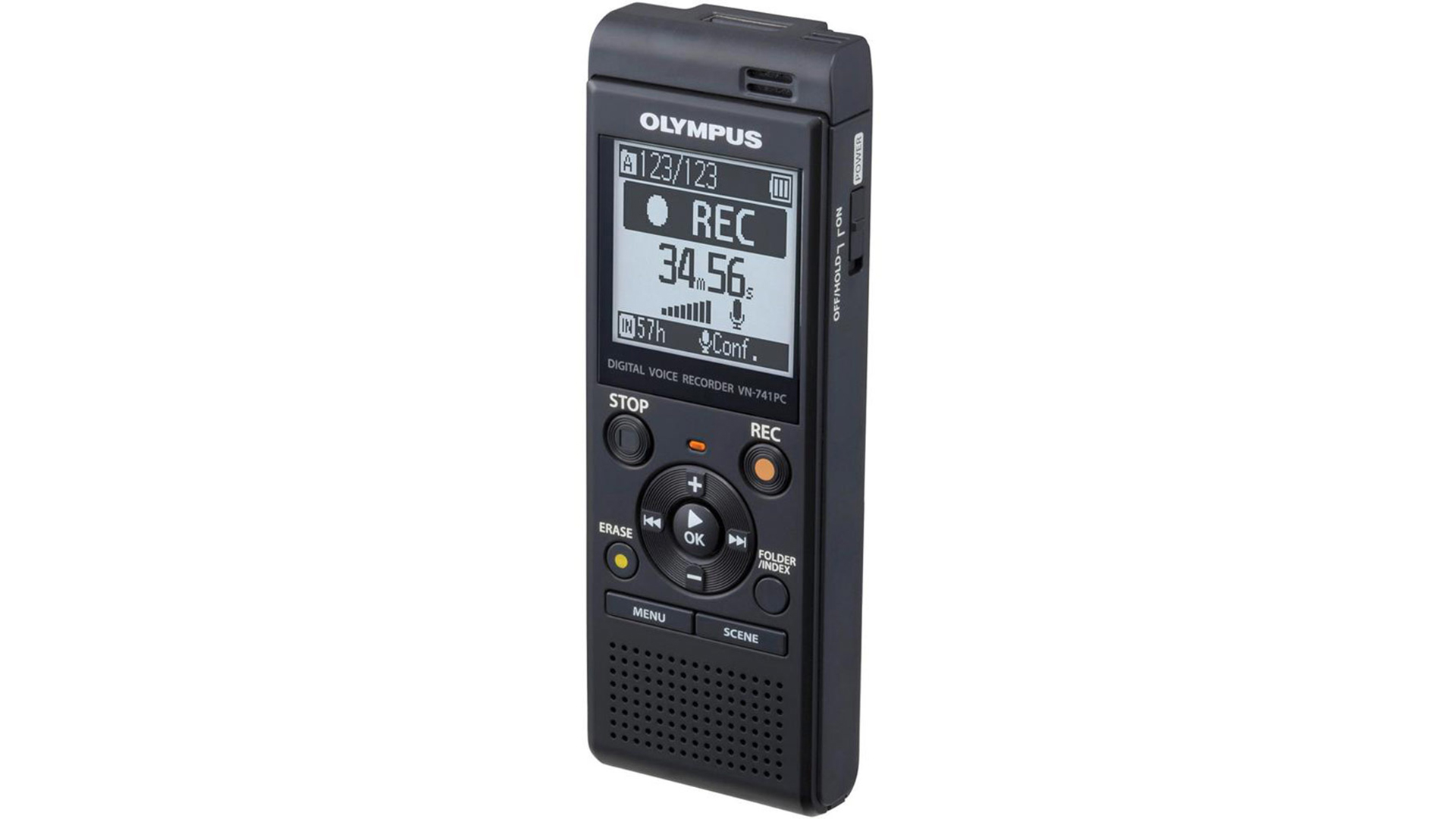
The Olympus VN-541PC is a cracking affordable voice recorder with lots of features. The built-in microphone and 4GB of storage will get you up to 1,570 hours of recording in WMA format, which is near constant if you keep supplying AAA batteries. Then transfer files using the USB port, or listen directly with the speaker or headphone jack.
I-impact recording is ideal for a hurried start. Modes are a nice feature that let y'all tailor recording way for Memo, Talk, Music and LP. The background noise cancellation is a peculiarly nice feature at this cost, making information technology ideal for coffee shop interview, form lectures and more than.
- Read our Olympus VN-541PC review .
6. Sony ICD-BX140: Best budget digital vocalisation recorder
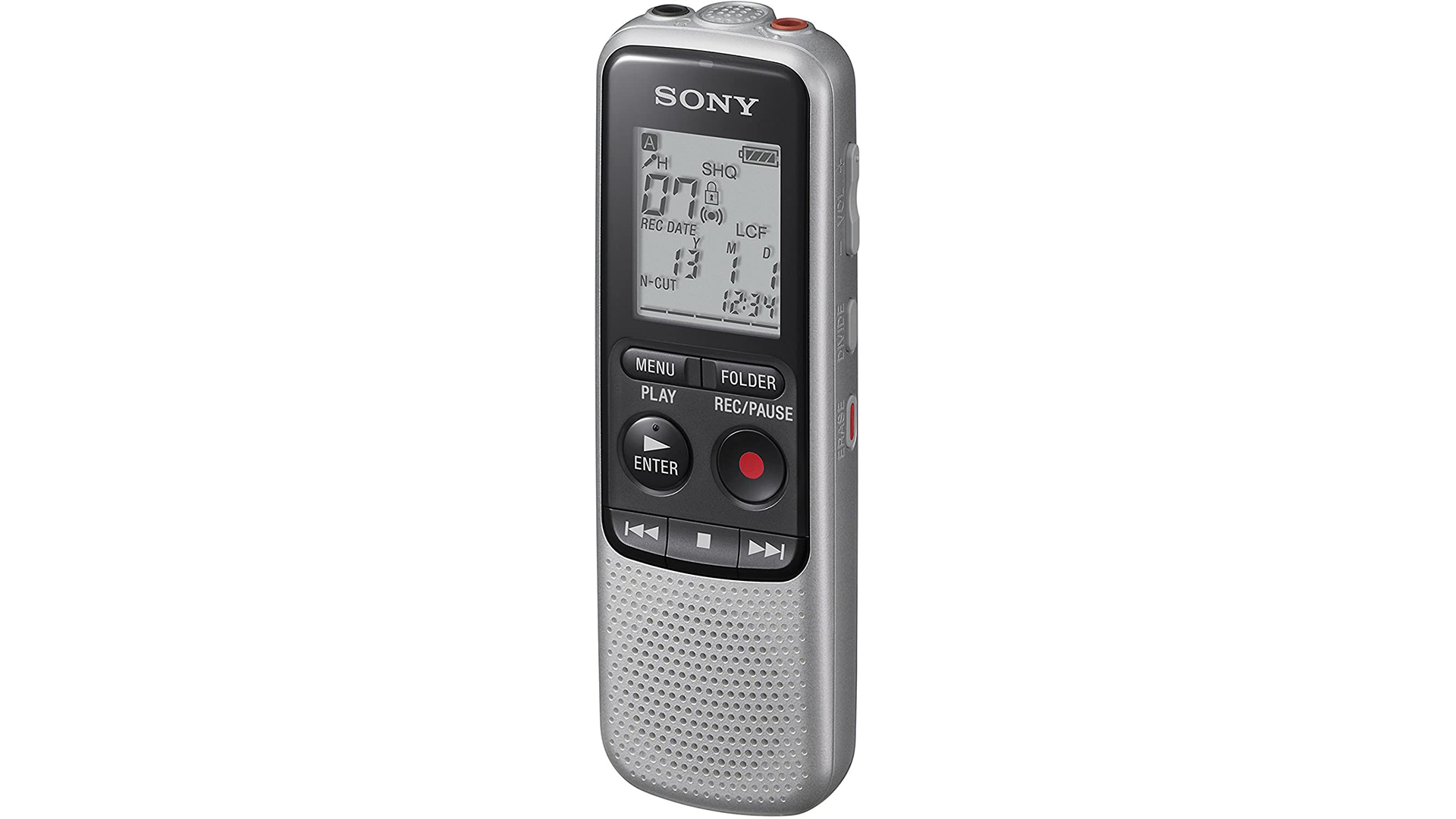
The Sony ICD-BX140 is a top pick for a super budget friendly digital voice recorder from a large proper name reliable brand. For the low toll y'all get a big screen with lots of data, easy to use buttons and a meaty blueprint with headphone port for individual listening.
You volition need to listen on the device though as there's no output option from the 4GB of onboard storage. Quality is decent with a depression-cutting filter helping cut out wind noise from that mono microphone. The MP3 quality comes in 128 kbps and 192 kbps options with up to 4,175 hours of storage and 28 hours of battery life from the AAA batteries. A swell option for anyone on a upkeep that doesn't mind playback on the device.
- Read our Sony ICD-BX140 review .
Best Digital Voice Recorders: How Do They Work?
Every sound you've e'er heard starts with vibrations in the air. These vibrations motility through the air similar waves, so they are aptly called sound waves. Information technology's like dropping a pebble into a puddle and watching the ripples motion outward from the centre.
These sound waves motion at various speeds, which is why nosotros hear different tones. For example, when y'all striking the lowest key on a piano, the low A, you create a ripple of audio waves that move up and downward at 27.five cycles per 2d, which is measured in hertz (Hz). When yous hit the highest key, a high F, sound waves ripple out at 4,186 cycles per second.
Analog technology, such every bit records, captures a representation of these sound waves on physical media, and those waves are replicated when played back through an analog player. While records and record players have become pop again, analog devices aren't very practical for recording on the wing.
To create a digital representation of a sound wave, a voice recorder picks up the audio with a microphone that converts the sound to an analog electric signal. The analog electrical signal runs into an analog-to-digital converter (ADC). The ADC and so converts the analog indicate into a digital bespeak using pulse-code modulation or linear pulse-code modulation. In this process, the various points on the sound wave are given numerical values. When put side by side to each other on a graph, you can come across the sound wave. A digital file might comprise a lot of data, only you tin can write it to a hard drive or SD card, both of which can fit thousands of these files.
To play the recorded digital audio file, the reverse happens. The digital signal is converted to an analog electric indicate that is sent along a wire connected to a speaker. The indicate makes the speaker vibrate, which causes the air to vibrate, recreating the sound waves you originally heard.
Of import Features in Digital Vocalisation Recorders
Beyond audio fidelity, there are myriad other features to consider when choosing a digital vocalization recorder. When y'all know what features are bachelor and which ones you need, y'all have the best risk of finding a quality recorder that fits your upkeep:
Audio Quality
Most digital voice recorders fall under one of two categories: those meant for amateur or casual users and those made for professionals. If y'all fall under the onetime category – say, if y'all're a student looking to tape your professors' lectures – a simple lower-end model is more than sufficient. There are enough of recorders that focus on recording audio over creating loftier-quality sound files.
Nonetheless, if you want to record your latest album of guitar songs or your voice acting portfolio, it's disquisitional you invest in a high-end recorder, every bit they create improve sounding audio files. More expensive recorders are more powerful, have more customization options and audio ameliorate during playback.
Battery Life
Smaller voice recorders terminal about eight hours per charge, depending on what you record and which settings you use. This is more than enough fourth dimension to record a lecture or a few short sound clips. Virtually recorders have decent standby capacity also, so you don't take to constantly charge them or supervene upon the batteries often.
Storage
For light users, storage isn't really an event. Yet, if you lot record often or capture big, high-quality files, you need a device that has lots of internal storage or supports big SD cards. If you purchase a recorder with bereft storage, you lot'll take to constantly delete old files, which is a hassle.
Size & Weight
Some of the recorders we tested are small plenty to fit in your haversack, purse or fifty-fifty your front pocket. These small recorders won't weigh you downwardly should you accept to lug them around all the time, and they aren't conspicuous. Nevertheless, they are typically lower-end models with fewer features.
Larger recorders are heavier and harder to maneuver, especially if y'all have microphones plugged into them. Consider how mobile your recorder needs to be and how much storage space you take before yous buy.
Ease of Use
Smaller, lower-terminate recorders are all mostly easy to utilize – spend five or ten minutes reading their user manuals or tinkering with them, and you lot can find all the menus and features you'll probably ever need to use. Higher-cease recorders are much more complicated. They have lots more features and usually come with thick user manuals that have quite some time to read. Yous likely won't be able to employ a professional-quality recorder without start reading a adept portion of the manual.
Sound Allegiance
Audio fidelity is the overall accurateness of the audio as represented by the digital recording. Sound fidelity of a digital audio recording largely depends on the sampling rate and the bit depth. Since most people hear with two ears, mono and stereo recording can also affect fidelity.
Sampling Charge per unit
The sampling rate is the number of times per 2nd sound is recorded. It helps to imagine it like a video photographic camera, which generally takes 24 all the same-frame images each 2d. When y'all view those even so frames 1 after the other in quick succession, you see motility. When these auditory samples are played i after some other, you hear intelligible audio.
Most digital voice recorders sample sound with a 44.1kHz or 48kHz rate. The highest-allegiance handheld recorders sample as loftier every bit 96kHz. However, humans tin't process sampling rates over 50kHz in a meaningful fashion, then a 96kHz sampling rate is overkill in most situations.
Fleck Depth
The flake depth is a mensurate of the $.25 of information in each sample. For example, audio recorded on a CD has a bit depth of 16-bits per sample, which is the same equally most digital voice recorders. The bit depth determines the amplitude of the audio moving ridge. A higher bit depth means there is a greater dynamic value between the loudest function of the sound wave and quietest part of the sound wave. Your smartphone records sound at 8 $.25 per sample, while the highest-fidelity digital sound recorders take 24-bit depths.
The deviation in these recordings is the dynamic potential between loudest audio wave and the quietest sound moving ridge. Imagine recording a roundtable meeting – the person sitting closest to you will audio the loudest, and the person sitting furthest from you will sound the quietest. The bit depth helps interpret how noticeable that volume departure was when yous recorded it. As such, it is less of import in situations where audio fidelity is non a priority.
In some cases, a lower chip depth with a loftier-pass filter, which removes unwanted frequencies, is ideal. For example, recording a lecture typically only requires enough fidelity to be able to conspicuously hear what your professor is saying. In fact, too much allegiance could result in picking upward unwanted noise – whispers, chatter, pages being turned, etc.
Mono or Stereo?
Handheld digital recorders either tape in mono or stereo. Mono recordings are made on one track, typically with ane microphone. This means that when you listen to the rails with headphones, yous hear an equal mix on the left and right side. Digital vocalization recorders that record in stereo must take two microphones, which means they tend to cost more than mono recorders.
The difference between mono and stereo recording is depth. Stereo sound is more true to life because information technology is how your ears are designed to hear, similar to how two eyes provide vision depth a single centre cannot. For case, if your professor roams around the classroom during a lecture, with a stereo recorder you can identify where they were in the room at any given fourth dimension. With a mono recording, you simply hear fluctuations in the volume of the professor's vocalization as they move away from and closer to the recorder.
Most stereo digital audio recorders accept their microphones fix upwardly in an XY configuration – the microphone on the right is angled to the left side and vice versa. Some allow you to adjust the directions of the microphones then you can record sound with an AB configuration, where the microphones are parallel, or an ORTF configuration, where the microphones are directed abroad from each other.
Each microphone configuration creates a unlike stereo prototype. The XY configuration records audio with the least depth, every bit the microphones overlap each other. This emphasizes the heart of the mix and is all-time for recording a chief source head on while picking up others on either side. The AB configuration provides more depth by de-emphasizing the center. For the widest stereo epitome, the ORTF configuration focuses well-nigh entirely on separating the left and the right microphones with very niggling overlap.
Source: https://www.toptenreviews.com/best-digital-voice-recorders

Publicar un comentario for "How to Upload to Evistr Voice Recorder"